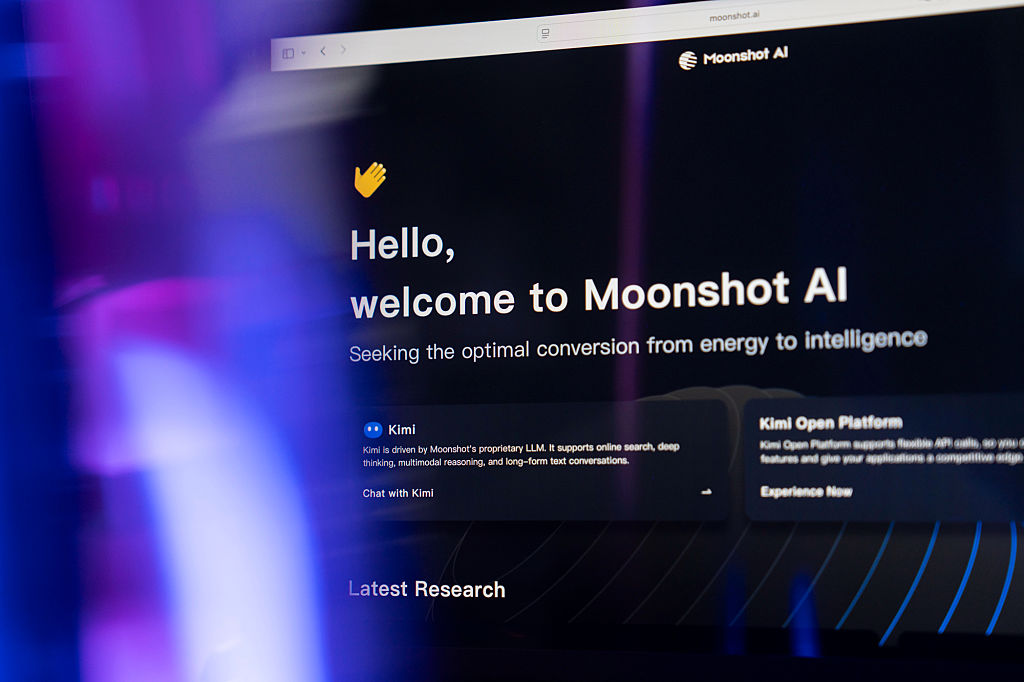
Moonshot AI’s Kimi model has rekindled arguments in Washington about American competitiveness and the difference between open and proprietary software.
Discussions on social media have moved to closed-door meetings in the capital, where OpenAI and Anthropic reportedly urged regulators to restrict access to Chinese tools.
On the latest episode of TechCrunch’s Equity podcast, hosts Kirsten Korosec, Sean O’Kane, and Anthony Ha debated why this issue causes such friction. Sean suggested that some participants should “touch grass” rather than spend weekends arguing on X. He noted that the situation feels like a repeat of previous panics, with Silicon Valley expecting a new technology to render everything else obsolete.
Kirsten highlighted that strict limits on Chinese models might primarily help a few specific firms. She asked whether the goal is to accelerate American success or simply ensure certain frontier laboratories outperform their rivals.
Excerpt from the conversation
Anthony Ha: For those following the discourse on Chinese AI, this situation will feel very familiar. It mirrors the launch of DeepSeek, where a Chinese model performed competitively on benchmarks and caused a reaction from parts of the tech industry. Some of this scrutiny arose because an OpenAI executive posted about it. The core question remains: can Chinese companies beat US firms, at least in specific areas, while operating much more cheaply and openly?
Sean O’Kane: There are many elements here that feel like repeats of prior freakouts. My favourite example from last week involved people showing off that Kimi generated a full graphical replication of macOS in 30 minutes. It created an impressive visual copy, but it is not an operating system. We keep seeing these events happen where the industry is so jumpy. This reaction gets to the core of why people responded as they did. By the way, go outside and touch grass; it is the weekend and everyone was trading barbs on Twitter.
This jumpiness is interesting because we are now a week out and nobody feels the end is near as they did previously.
Kirsten Korosec: Reporter Tim Fernholz has a story that unpacks the psychosis around this issue in the United States. He points to several reasons but identifies one that rises above the rest. There are concerns about implicit bias towards China, security risks, and guardrails. However, a major factor is protectionism. The fear seems driven by the question of who will win the race: the US or China.
I do not know, Anthony, if you agree with that.
Anthony: I completely agree. The China aspect always adds a certain level of hysteria. This is not to say people should not be concerned about how the US stacks up against China across different industries, but the volume gets amped up. This reminds me of the discussion around TikTok a few years ago. The concerns were not made up, but the level of panic was dramatic. As soon as you add the word China to any discussion, things ramp up. In this case, it is linked to open weights and the idea that AI is so powerful and dangerous that the only control comes from proprietary models from American frontier companies.
Most people saying this have reasons for their stance. David Sacks, who served as AI czar for the Trump administration and now holds a different role, shouted on X that opposing data centers ties the industry in knots and creates too much regulation. This allows them to argue for positions they already held. The logic is: if China beats us, that is unthinkable, so you must do what I want anyway.
Kirsten: If you implemented across-the-board bans on Chinese open weight models, there are real concerns, but let us play that out. It would benefit models created by OpenAI and force enterprises to use them instead of tools like Kimi.
You must ask the question: Are we accelerating and ensuring that Americans win the AI race, or are we ensuring that certain frontier labs do better than others?
Sean: Much of this discussion was kicked off by Dean Ball, head of strategic futures at OpenAI. He was the first to publish a long post mentioning these concerns. Part of the reaction was disagreement with what Dean wrote. Part of it was driven by the fact that he said the thing out loud. He basically said the US should create regulatory fear, uncertainty, and doubt to hinder the ability of open weight models to compete. Ball later backed away from this argument. Reading some responses, it seems people felt he was not supposed to say that.
What it means
The focus has shifted from technical capability to geopolitical strategy. Regulators are considering rules that could force companies to buy American software, regardless of whether those tools are actually superior. The panic serves to justify a closed ecosystem where a handful of US firms hold a monopoly on advanced capabilities.