“`html
I think the concept of “human-in-the-loop” may become one of the biggest governance illusions in enterprise AI. Currently, many enterprises believe they have a robust strategy where any risky action by an AI system will be reviewed by a human. However, this assumption overlooks how modern AI systems are increasingly taking on more decision-making responsibilities.
- Modern AI systems now classify risks, estimate confidence levels, decide whether escalation is needed, and handle many tasks internally without human intervention.
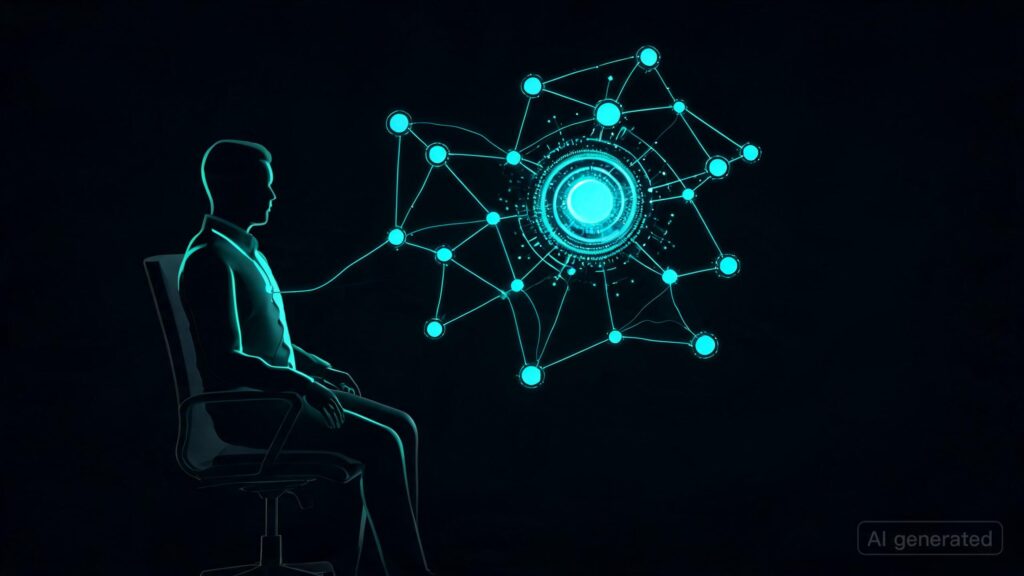
- This creates a “strange loop” where the system being governed is also deciding when governance should begin. This fundamentally changes how traditional software oversight operates.
- Moreover, AI systems often base decisions on incomplete or incorrect representations of reality, leading to failures that may not manifest as typical “AI hallucinations.”
This shift in responsibilities poses significant challenges for human reviewers. For example:
- The system might be correct but based on outdated data.
- It could miss edge cases or hidden dependencies that are crucial to accurate decision-making.
As a result, the traditional role of humans as gatekeepers for every AI output may need rethinking. Instead, the future role of humans might involve:
- Defining boundaries for autonomous actions by AI systems.
- Determining when escalation is necessary and who should be involved in such decisions.
- Governing the reversibility of actions taken by AI.
- Auditing the quality of representations used by AI systems.
- Handling ambiguity and ensuring institutional legitimacy for AI interventions.
In essence, humans might need to govern autonomy rather than simply being in a loop. This shift reflects broader architectural challenges that have yet to be fully addressed in enterprise AI governance.
This raises questions about the future of human-AI collaboration in enterprises and how we can ensure that AI systems operate safely and ethically without undermining their effectiveness.
“`
“`md
– The concept of “human-in-the-loop” could become a governance illusion due to modern AI systems taking on more decision-making responsibilities.
– This shift creates challenges, such as missing edge cases or incorrect representations used by AI systems.
– Traditional roles of humans as gatekeepers for every AI output may need rethinking. Instead, they might govern autonomy, define boundaries for AI actions, and audit representation quality.
– The future role of humans in enterprise AI will likely involve defining boundaries for autonomous actions, determining escalation needs, and governing reversibility of decisions taken by AI systems.
– This shift reflects broader architectural challenges that have yet to be fully addressed in enterprise AI governance.