For creators and artists who rely on platforms like YouTube to build their livelihoods, the current LEGO saga serves as a stark reminder of how quickly a local dispute can metastasise into a digital firestorm. It highlights the fragility of online reputation, the volatility of community trust, and the sheer absurdity of modern content moderation battles. If you are a maker navigating the intersection of commerce and creativity, this is not merely entertainment; it is a case study in how viral pressure can collapse into legal chaos.
The Bricks & Minifigs Controversy
While I have a stack of promising leads to investigate, one simmering drama has forced its way to the surface and can no longer be ignored: the YouTube LEGO scandal, widely known as the Bricks & Minifigs controversy.
It is difficult to summarise this event without missing the nuance. The situation is buried under dozens of lengthy YouTube videos, police reports, local news coverage, body-worn camera footage, cease-and-desist letters, and vertical video statements that feel like hostage negotiations. Yet, awareness is crucial because the proceedings are genuinely chaotic.
At 404 Media, we aim to amplify vital stories from niche communities to a wider audience. This case does exactly that. It is tearing apart the LEGO enthusiast community, dominating YouTube trends, and emerging as the most significant local news story in American Fork, Utah.
Mike Masnick of TechDirt, in a post titled “Everyone in This LEGO Dispute Should Have Spoken to a Lawyer Earlier Than They Did,” captures the sentiment perfectly: “If you haven’t been following the Bricks & Minifigs saga, congratulations on your peaceful existence. It’s a genuinely difficult story to track, partly because you have to watch a bunch of long YouTube videos to piece it together, and partly because almost everyone covering it is pushing a specific angle.”
The dispute has spawned its own Wikipedia entry, numerous Reddit “Out of the Loop” threads, a massive discussion on the LEGO subreddit, and extensive local coverage. For those seeking to track the unfolding events, the Wikipedia page and local reports from ABC4 regarding the Utah agencies and American Fork Police are reliable starting points.
What is happening (highly abbreviated)
Bricks & Minifigs operates a chain of independent LEGO franchises across the country, including a consignment model. In 2023, Ed Mansell and his son Bryan approached a Bricks & Minifigs store in Salem-Keizer, Oregon, to sell their collection. According to the store, the collection was valued at over $200,000.
The store began selling items, but when the franchise ownership changed hands to corporate headquarters, Bryan attempted to recover the unsold bricks or their value. He was reportedly told to take his request elsewhere.
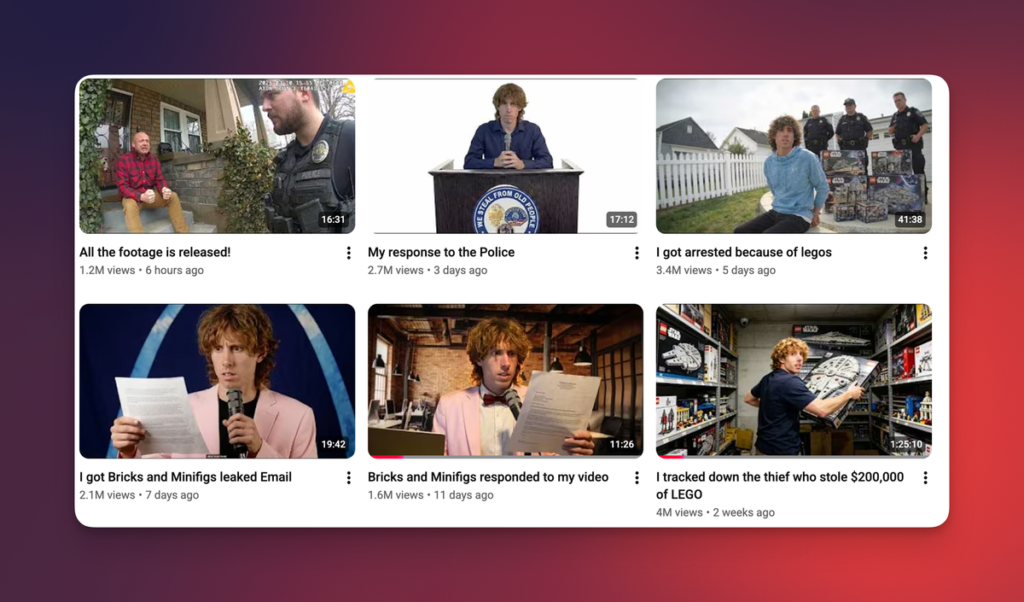
Bryan then contacted Ben Schneider, a YouTuber with one million subscribers known as Reckless Ben. Schneider released a series of videos, including a 90-minute piece titled “I tracked down the thief who stole $200,000 of LEGO,” which has garnered four million views. He employed various attention-grabbing tactics, including placing a sign on the shuttered store that read: “Permanently closed. We stole a family’s life savings. They sued. We lost. By closing the store, we got out of having to pay the family what we owe them.”
Bricks & Minifigs disputes this narrative, stating in their own blog posts that the store was closed temporarily due to severe safety hazards, including targeted in-person stalking and explicit bomb threats driven by the viral videos.
Schneider also launched a company called “We Steal From Old People” and set up a GoFundMe page for Bryan, which has raised $382,000. Following these actions, Schneider travelled to Bricks & Minifigs headquarters in Utah and the home of an executive. He was arrested by American Fork police and charged with stalking and targeted residential picketing. He faced separate charges of disorderly conduct and criminal trespass.
Bricks & Minifigs responded with two lengthy blog posts, describing the situation as a massive misunderstanding and claiming their employees are being harassed. Schneider turned these responses into further viral content. The situation escalated this week with the release of body camera footage of Schneider’s arrest. Additionally, the American Fork police department reportedly launched a new YouTube channel to release a bizarre, 30-minute video filmed in a set resembling the Construct Void room from *The Matrix*, detailing the arrests.
The police response has drawn significant criticism. The body camera footage suggests the department handled the situation poorly.
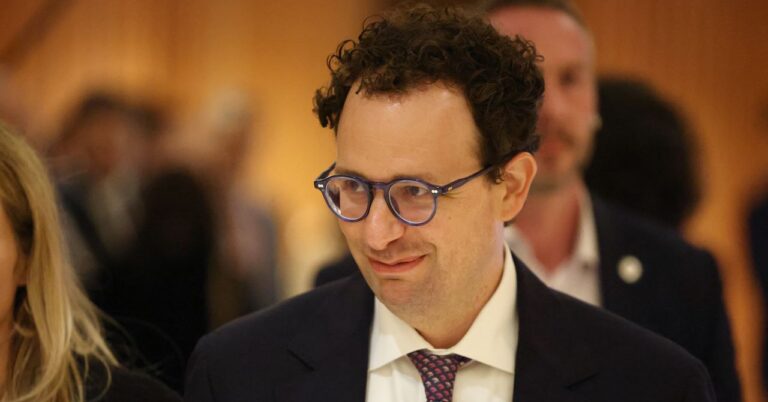
Finally, Bricks & Minifigs issued a cease-and-desist letter to Patreon, demanding the removal of Reckless Ben’s page, which hosts updates and early access to future videos behind a paywall. Patreon CEO Jack Conte responded with a video stating that after a review, the company decided to keep the page up, noting that if Bricks & Minifigs objects, they are free to sue.
Key takeaways
- The Bricks & Minifigs dispute demonstrates how a local business conflict involving consignment and valuation can rapidly escalate into a national media circus.
- Content creators like Reckless Ben are increasingly using viral tactics and crowdfunding to challenge corporate entities, blurring the lines between journalism, activism, and entertainment.
- Local law enforcement agencies are facing unprecedented scrutiny when handling high-profile digital controversies, with body camera footage often revealing procedural failures.
- Even established platforms like Patreon are prepared to defy corporate legal threats to protect the creative rights of their hosts, setting a precedent for future disputes.