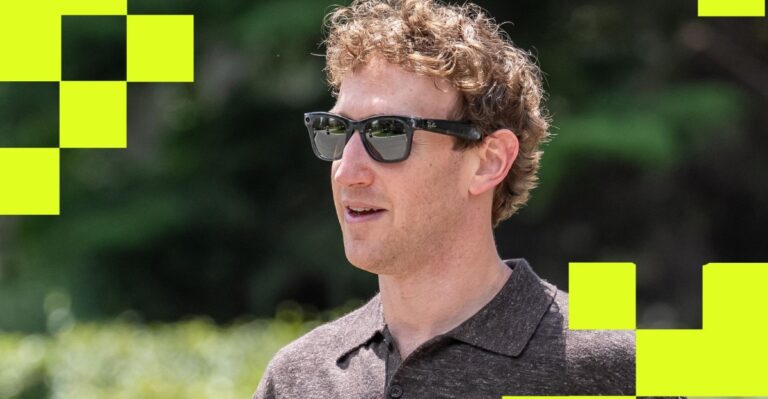
Meta CEO Mark Zuckerberg has admitted that explaining the recording light on Meta Ray-Ban smart glasses was a mistake. The company just launched its Connect conference, where the new Muse AI agent is already gaining traction. Zuckerberg recently appeared on the Sources podcast with Alex Heath, and the conversation highlights several gaps in how the company handles privacy and safety.
Surveillance disguised as phones
Zuckerberg stated that the company feels good about the product. He compared the glasses to smartphones, noting that people already record others constantly with their phones. This comparison is the core issue. The tech industry wants passive surveillance devices to fit into the same category as smartphones. This means treating Meta Ray-Ban glasses the same way as Flock cameras or Ring doorbells.
There are obvious differences. To record someone with a phone, you must take it from your pocket, open the camera app, and hold it in their face. This is a physical action. You have to announce your intent with your body, and other people can react to it. Meta Ray-Ban glasses do not require this. You wear them and start recording. People might notice a light, but the physical announcement of intent is missing.
Industry leaders want to avoid creating new social etiquette for these devices. The argument is that if it is just a smartphone, people already know how to use it. This approach also ignores the social rules created around smartphone recording. Society had to navigate the entire Black Lives Matter movement because smartphones allowed people to record police. We still do not know what to do with that information. If you could reboot this in a new form that allowed for easier and more passive recording, what norms would you change?
Meta already knows the glasses are being used to harass retail workers and women. The company has started down-ranking those videos on Instagram to provide less incentive to make them. The question remains whether it is worth having these debates if the content is so bad that the platform itself suppresses it.
Lost communication
Zuckerberg explained that when the glasses launched years ago, they communicated clearly about the recording steps. Millions of people now own the glasses. Some may not have seen the initial communication, or they forgot about it. The glasses were not a big thing at the start. Now that the product is mainstream, the company needs to ensure people understand what is happening. They designed the light into the product from the very first version.
The light indicates recording. It was on the temple. Over time, as more people experienced the glasses on other faces, it became unclear what the light meant. Zuckerberg thinks they must communicate more about the light.
The reality is that users define the product. If you sell millions of gadgets, people will use them in ways you never expected. Emergent behaviors often define the next version of the product. Twitter did not invent the hashtag or the @ reply. Users invented those features, and Twitter adopted them because people figured out ways to use the service that the company had not contemplated.
This is true of computers, smartphones, social platforms, and Meta Ray-Ban glasses. The ways people use them have nothing to do with Meta’s intentions or its communication about recording lights. The natural follow-up question is how much control Meta has over bad actors using these glasses to harass people. Telling more people that the light indicates recording is not going to stop it.
Are they going to do more things like down-ranking videos of people harassing retail workers? Do they think other platforms will follow their lead? Does Meta think that creating negative incentives for how people use a camera with content moderation will actually solve the problem? Is there anything about the history of content moderation that suggests that is true, given Mark’s own history with content moderation?
Teen safety and usage rates
Zuckerberg admitted it would have been possible to explain along the way how seriously the company took those issues. They did not because they thought people showed they still liked the products by using them so much.
Many social media lawsuits claim the product is addictive. Comparisons to Big Tobacco exist because smoking is fun and people enjoyed it, yet it killed them. Usage rates had nothing to do with the harm occurring. Measuring usage rates does not let you measure whether something is doing good for the world or good for an individual user.
Zuckerberg stated he aspires to a place where people like the product and understand how seriously the company takes all issues. Alex Heath asked if there is a throughline from that to the recent settlement on all use safety stuff. Heath noted it is a thing a lot of people are talking about and asked for a reflection on what was learned from the process.
Zuckerberg said it is another good example. They have taken many safety issues seriously for a while and have been working on teen account work with Instagram for a long time.
It is true that Meta has done some of the leading work on designing features to keep kids safer on its platforms. They have done some of the leading research in the space on what is actually happening to people. One dynamic that is particularly galling throughout all of this is that Meta gets punished for it.
They publish safety numbers. They publish research. They publish the amount of bad things happening. They do transparency reports. Even if you do not think that is enough, a real thing that continually happens to Meta is they get punished for revealing that bad things happen on their platforms. Companies like Apple, which do not know what bad things are happening on an