OpenAI has filed to go public while its desktop app for coding and workplace tasks added roughly 15 million subscribers in the last two months.
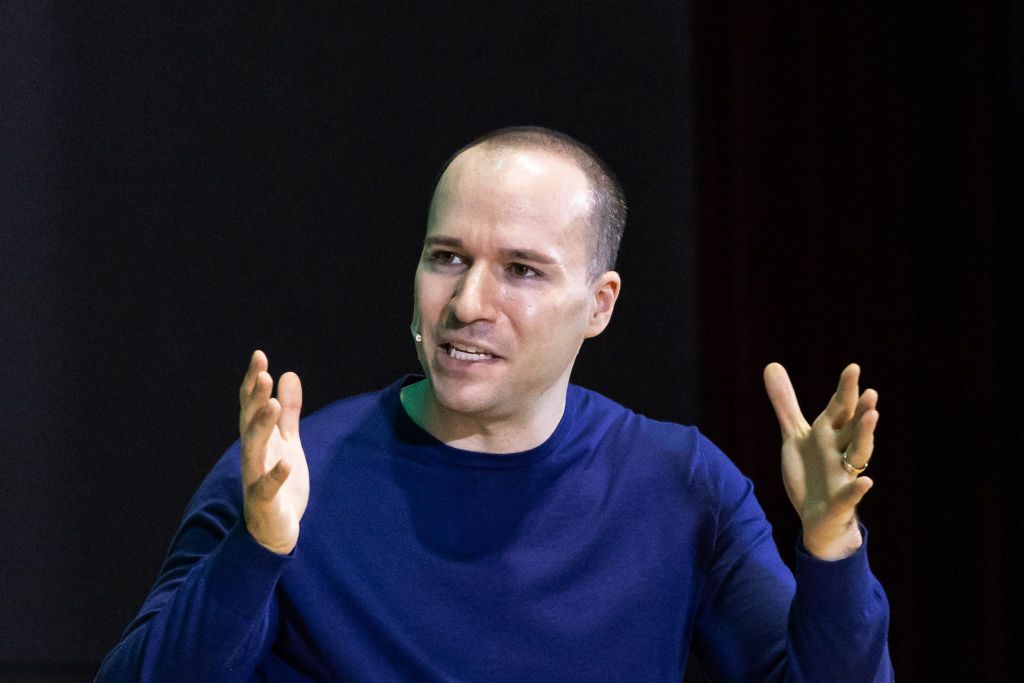
Despite this growth, more than a dozen executives have left the company since the start of the year. The departures include Sam Altman’s chief operating officer, the chief revenue officer, the chief marketing officer, and several team leads. Chris Malone, head of data centers, also departed last week after joining in March 2025.
Some exits were due to health issues, while others followed a reorganisation where Altman cut expensive side projects to focus on revenue. Malone’s departure stands out because OpenAI’s main advantage over rivals like Anthropic or SpaceX is its investment in compute. The company told TechCrunch that Malone’s exit followed a restructuring of the infrastructure team, which is now led by vice president Sachin Katti. Malone once reported directly to president Greg Brockman. It is not unusual for a senior leader to leave if they find themselves several levels down the hierarchy.
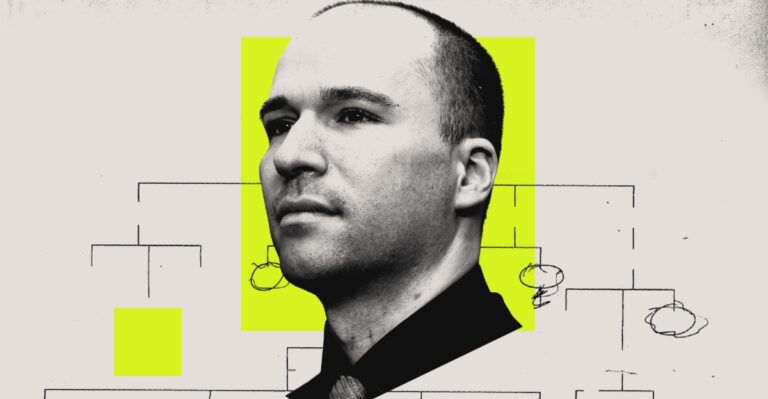
OpenAI declined to comment on broader changes, but it appears Brockman is reasserting his leadership. As co-founder and president, he built the early infrastructure but was relieved of most management duties in 2019 when Altman became CEO. Karen Hao’s book “Empire of AI” describes Brockman’s subsequent role as disruptive. His contributions to projects like GPT-4 were undeniable, yet he also seeded internal rivalries that contributed to the “Blip” in 2023 when the board briefly ousted Altman. Brockman took a brief sabbatical in 2024 before returning.
Today, infrastructure and product teams report to him. Thibault Sottiaux, who leads the API and app offerings, told TechCrunch last week: “I like to say that everyone reports to Greg at the end of the day.”
The prospect of an initial public offering looms over everything. In June, OpenAI filed confidential going-public disclosures with the SEC. Public markets would provide capital for the lab, but they also require financial transparency around the same time as rival Anthropic, which is planning its own public debut. Anthropic is reportedly profitable, while OpenAI is seeing losses grow alongside revenue. The IPO is not expected until 2027, whereas the average company that files confidentially usually hits the trading floor within about five months. SpaceX did so in less than two.
Altman’s comments about a difficult past year and the internal reorganisation fit a narrative that the company has stabilised following its IPO filing and is now reshaping the organisation to increase profits and reduce dead weight.
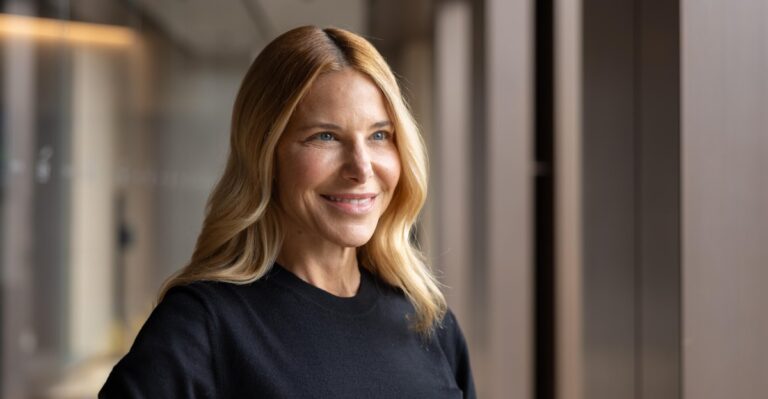
Many tech startups follow a pattern where brilliant founders create the product and then bring in an experienced CEO to scale the business. This dynamic was evident when OpenAI hired veterans like Fidji Simo and Kevin Weil. Now, with Brockman’s influence growing, the cycle seems to be repeating. Before OpenAI, he was best known for building out Stripe’s business and championing go-to-market efforts internally.
With high-level turnover, OpenAI needs someone to fill the vacuum. The company must also trim costs and boost revenue ahead of the IPO. Brockman’s rising influence may be the perfect solution for both problems.
What it means
For the people building software, the shift means the company is moving from a phase of rapid expansion to one of financial discipline. The focus is on making money rather than just building new features. This could slow down the release of experimental tools while prioritising those that generate immediate revenue.