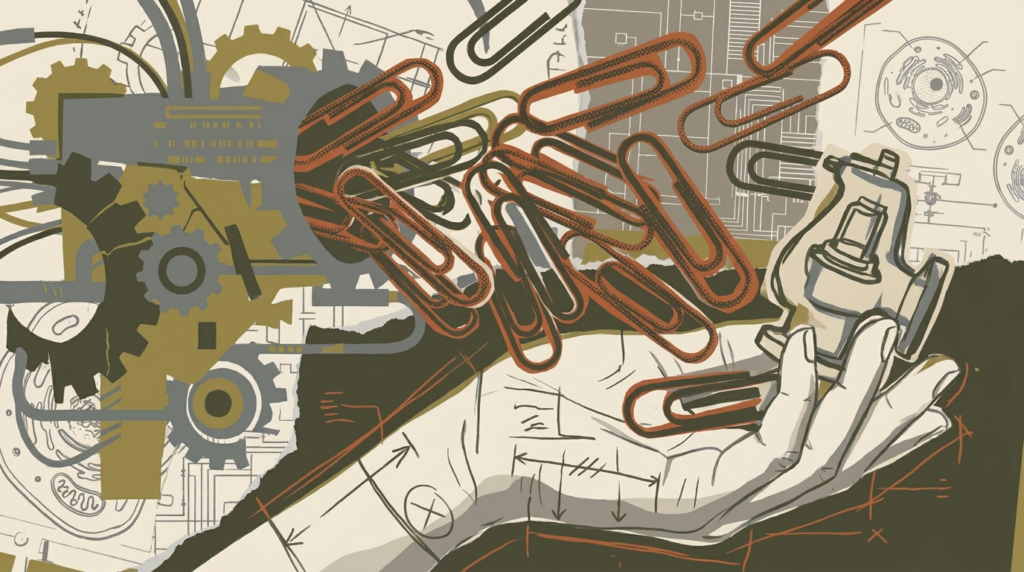
Harvard psychologist Steven Pinker has published an open letter on Quillette challenging the prevailing narrative of existential AI risk. He addresses Scott Alexander, a psychiatrist and tech blogger who previously invited him to a public debate, which Pinker declined by describing such events as a spectator sport. Pinker argues that hypothetical scenarios like the paperclip maximizer wrongly equate intelligence with a drive to dominate human beings. He notes that these models assume artificial systems will fixate maniacally on a single objective. While he previously held an optimistic view of artificial intelligence, he admits he underestimated the capabilities of large language models and the reckless speed with which companies released them. Ironically, this rapid rollout is driven by members of the same community that warns about these dangers. Pinker identifies bioterrorism, cyberattacks, and uncontrolled AI agents as the genuine threats. He contends that doomsday rhetoric achieves nothing against these specific perils. Instead, he advocates for sober safety engineering grounded in independent oversight, legal liability, and maintained human control. Alexander has stated that he assigns a 20 percent probability to humanity being wiped out by AI and supports both enhanced safety research and international agreements to slow development.
The core issue is the focus on abstract threats rather than immediate operational risks. Practical measures require concrete implementation.
* Independent oversight mechanisms are necessary.
* Legal liability frameworks must be established.
* Human control over systems must be preserved.