For makers and artists, the arrival of the new Google Home Speaker signals a shift from rigid command structures to fluid, conversational creativity. While the device is marketed as a home hub, its ability to understand complex, multi-step natural language requests suggests a future where AI assistants in creative workflows can handle nuanced instructions without the need for precise syntax.
The end of the rigid command era
Google has finally released its first standalone smart speaker since the Nest Audio launched in September 2020. The original device was designed when speakers were viewed merely as controllers for smart home gadgets and music systems, lacking the cognitive depth of modern AI chatbots. Users previously had to phrase requests with exacting precision to achieve results.
The new Google Home Speaker changes this dynamic by accepting natural language and complex, multi-step instructions. You can instruct the device to “turn off all the lights except for my bedside lamp” or “dim the kitchen lights, play some relaxing music, and set a timer for 20 minutes” without issue.
Conversational correction and context
A significant upgrade is the ability to correct yourself mid-sentence. The AI will understand if you say, “turn off the coffee maker… I mean, turn it on!” rather than forcing you to restart the command. This fluidity extends to the device’s voice capabilities, which ship with 10 new options capable of two-way conversations on topics beyond simple home automation.
Users can ask nuanced questions and explore subjects in depth, mirroring the experience of using Gemini on a smartphone. The “Continued Conversation” feature keeps the microphone active briefly, allowing follow-up queries without the need to trigger the wake word again.
Hardware and design
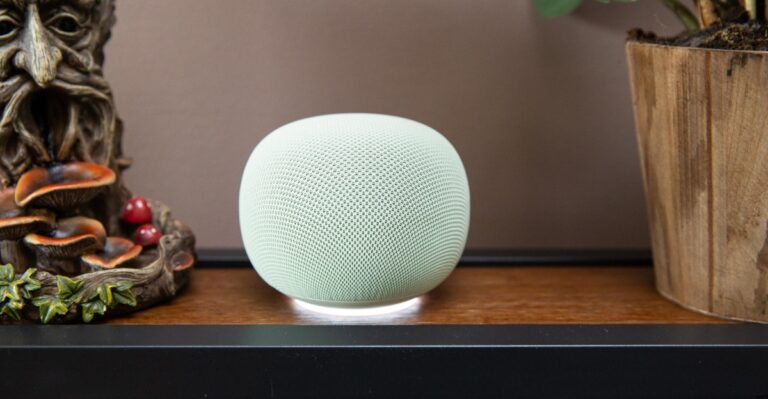
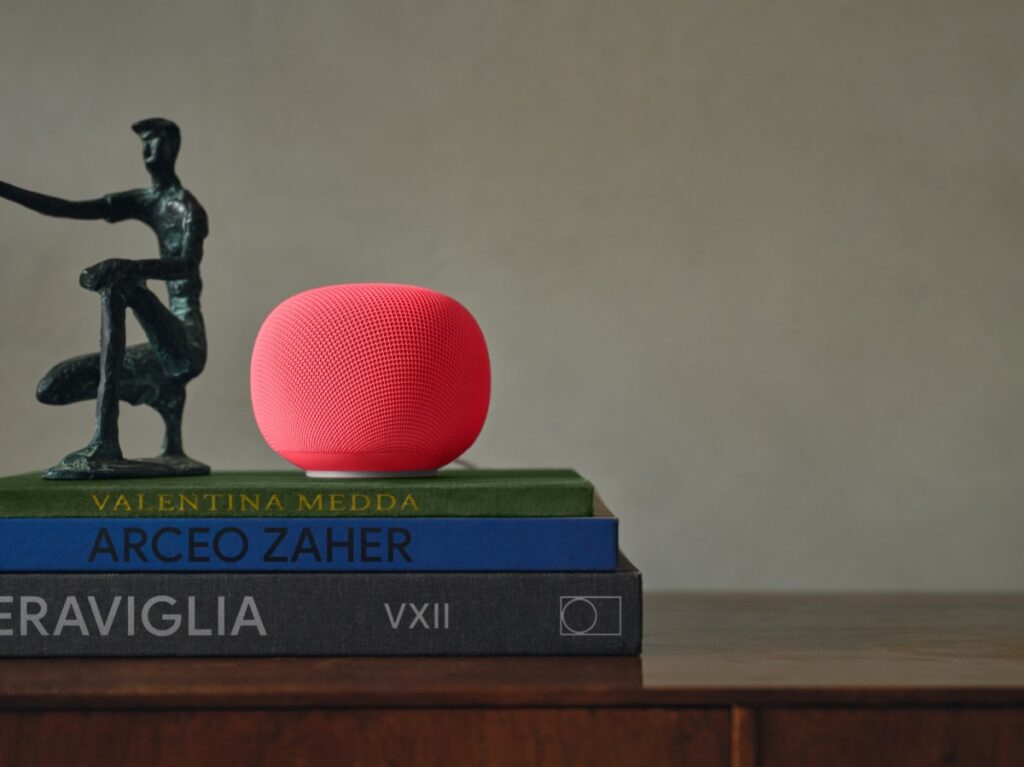
Visually, the unit resembles its predecessors, featuring a 3D-knit textile wrap and a rounded 3.4 x 4.2-inch footprint. In the U.S., it is available in Jade and Berry, joining the Hazel and Porcelain options found in other markets. A new ring light at the base provides visual feedback, indicating whether the speaker is listening, thinking, or responding.
A paywall for advanced intelligence
Not all of the device’s capabilities are free. Google is introducing Google Home Premium subscription plans for $10 per month (or $100 per year) to unlock more powerful AI features. These include access to Gemini Live for free-flowing conversations initiated by saying “Hey Google, let’s chat.” Premium subscribers can also request summaries of activity captured by Nest cameras or get reports on what happened in the home while they were away.
Whether these paid features justify another monthly subscription is an open question, especially since many core Gemini functions remain free. Google plans to mitigate this by offering advanced features for six months before encouraging users to subscribe. If this strategy works, it will have successfully reinvigorated the smart speaker lineup with generative AI while creating a new revenue stream for technological upgrades.
The device is available for pre-order now and will ship later this month.
Key takeaways
The new Google Home Speaker eliminates the need for precise syntax, allowing users to make complex, multi-step requests and correct themselves mid-sentence naturally.
While core features are free, Google is pushing a $10/month Premium subscription for advanced conversational AI and smart home camera summaries.
Google will offer advanced AI features for free for six months to acclimate users before attempting to convert them to paying subscribers.