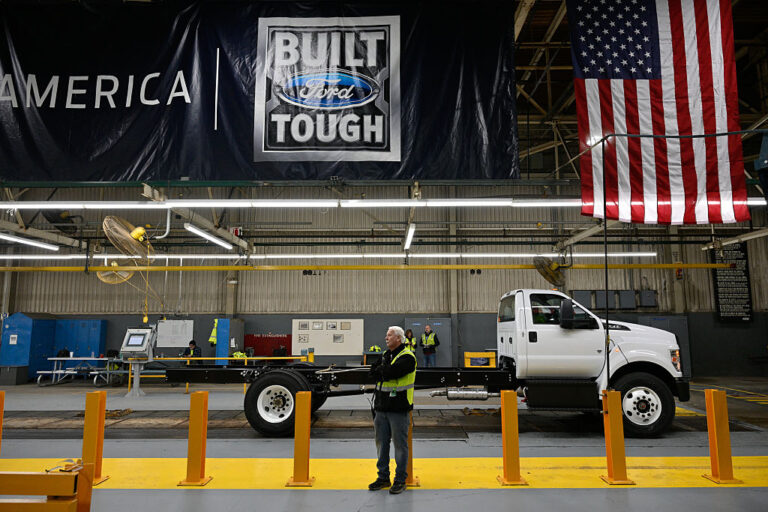
Ford has admitted that its new No. 1 ranking in JD Power’s initial quality study masks a significant failure where automated systems generated manufacturing errors. The company found that artificial intelligence models used in design and production could not be trusted to operate without human oversight, forcing staff to bring back former engineers to manually correct the output. This situation highlights that the technology relied upon was not as reliable as the marketing suggested, creating a dependency on experienced technicians rather than fully autonomous processes.
The incident serves as a practical warning that artificial intelligence effectiveness hinges entirely on the quality of training data and cannot replace human expertise in complex engineering tasks. It demonstrates that automation introduces specific failure modes which require specialised intervention to resolve. Key takeaways include:
- AI models in automotive production require manual verification to prevent defects.
- Reliance on automation has led to a temporary increase in hiring former employees.
- Training data quality remains the single most critical factor for system performance.