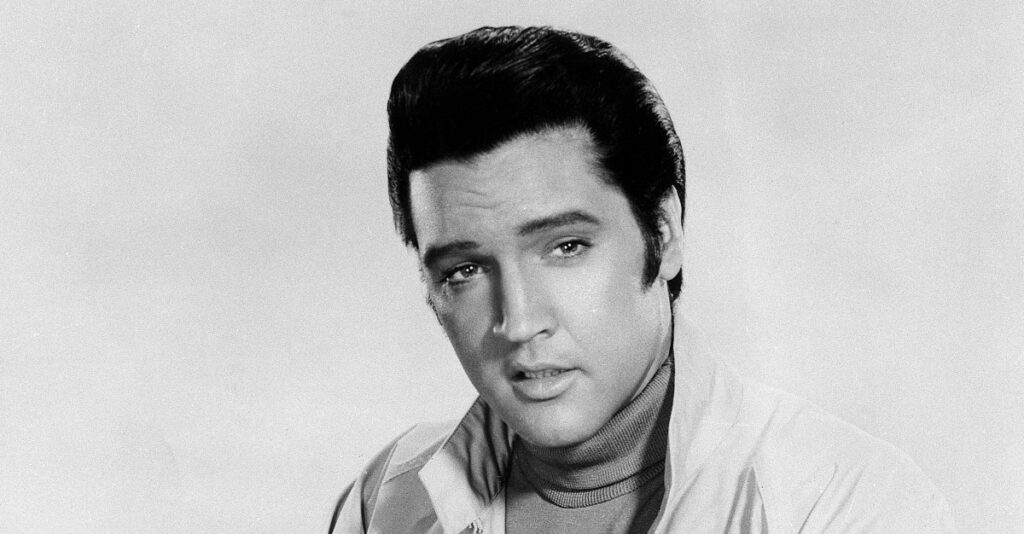
Sunos legal team has received two new complaints from rights holders representing Elvis Presley and Eminem. The plaintiffs allege that the artificial intelligence platform illegally generates songs and lyrics that mimic the specific voices and styles of these musicians. Lawyers for the Presley estate claim Suno violated Tennessee’s Ensuring Likeness Voice and Image Security Act by cloning a singer’s voice without permission. The complaint argues the company mechanically encoded itself with the artists’ identities, hard work, creativity, and time to produce outputs for commercial use. A separate suit from Eminem’s publisher makes similar accusations regarding the reproduction of his musical style. These actions mark another legal challenge for the San Francisco-based firm as it defends its model against claims of copyright infringement and voice cloning.
The filings establish a precedent for how state laws like the ELVIS Act interact with generative audio tools. They force the industry to address whether training models on existing recordings constitutes a violation of likeness rights. This legal pressure could lead to stricter compliance requirements for companies building music generation software in the United States.
- The lawsuit cites Tennessee’s specific legislation on voice and image security.
- Plaintiffs argue Suno encoded artist identities into its model architecture.
- Both cases seek to stop the generation of music mimicking protected performers.