Key Takeaways
- Musk’s lawsuit against Sam Altman accused him of stealing OpenAI and using a $38 million donation to create a for-profit business worth over $850 billion.
- No evidence was provided during the trial to support Musk’s legal case, as former colleagues did not recall any special conditions attached to Musk’s donations to OpenAI.
- Altman testified that Elon Musk had suggested passing control of OpenAI to his children if he were to die, which Altman found uncomfortable and felt would be a risky move for the company.
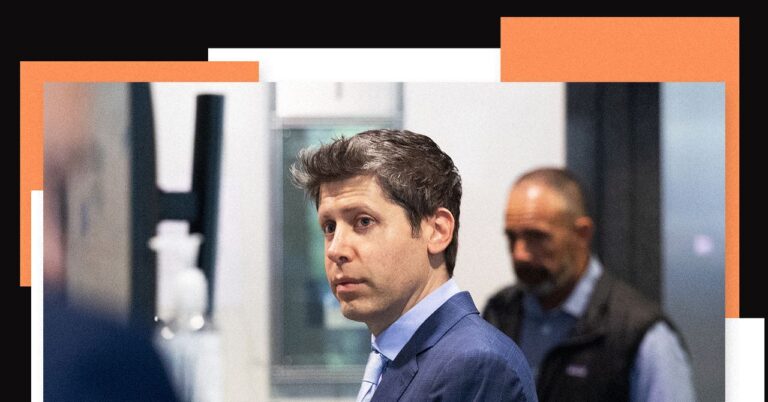
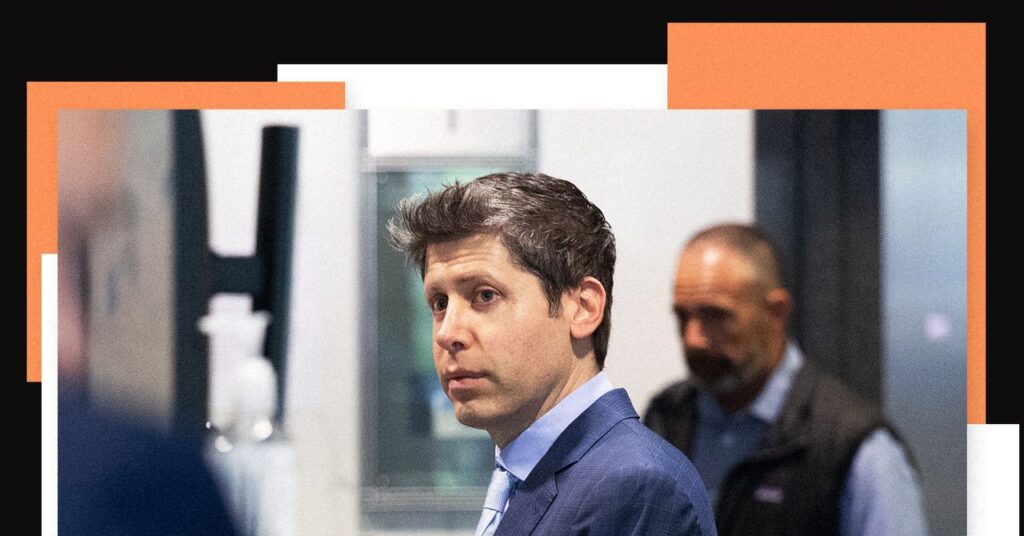
Sam Altman took the witness stand in the Musk v. Altman trial to defend himself. He provided testimony that contrasted with allegations from former colleagues suggesting he was untrustworthy. The cross-examination highlighted several heated exchanges where Altman had to respond to these claims.
Elon Musk’s Allegations
Musk accused Altman of misappropriating funds and using donations for personal gain, claiming that the $38 million he donated to OpenAI was used to create a for-profit entity worth over $850 billion. However, this evidence did not hold up under scrutiny.
Altman’s Testimony
During his testimony, Altman emphasized his role as an entrepreneur and investor concerned with AI’s potential impact. He recalled a particularly unsettling moment when Musk suggested passing control of OpenAI to his children if he were to die.
“We didn’t feel comfortable with that,” Altman stated about this suggestion.
Musk’s Legal Strategy
Musk’s strategy in the trial included questioning Altman on whether he is trustworthy and if he has misled people. This approach was aimed at winning over a jury but also for gaining public sympathy.
Altman maintained that he believes in telling the truth, though he acknowledged there might be instances where he did not. He argued that his actions were driven by the best interests of OpenAI and its mission.