“`html
Corpse Point in the Arctic is Melting, Disturbing Centuries-Old Bodies
Welcome back to the Abstract! Here are this week’s studies that felt the heat, left their mark, survived a cataclysm, and watched cows watch TV.
The thaw at Corpse Point
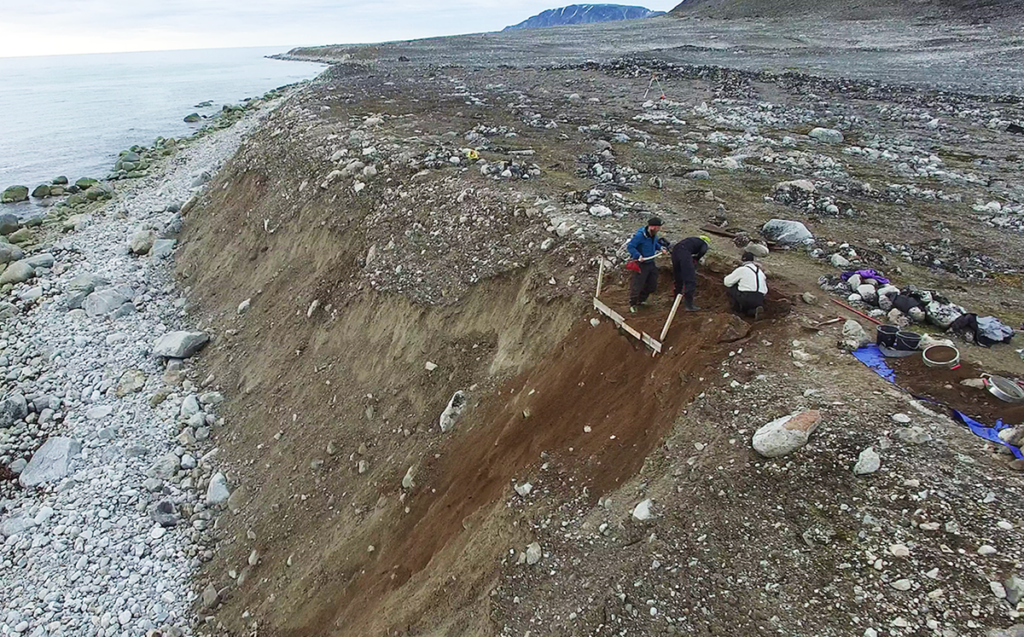
The battered bones of long-dead whalers buried centuries ago in the Arctic are melting out of their permafrost graves due to human-driven climate change. The remains of these men reveal the physical toll of whaling and highlight the need to preserve cultural heritage as global temperatures rise.
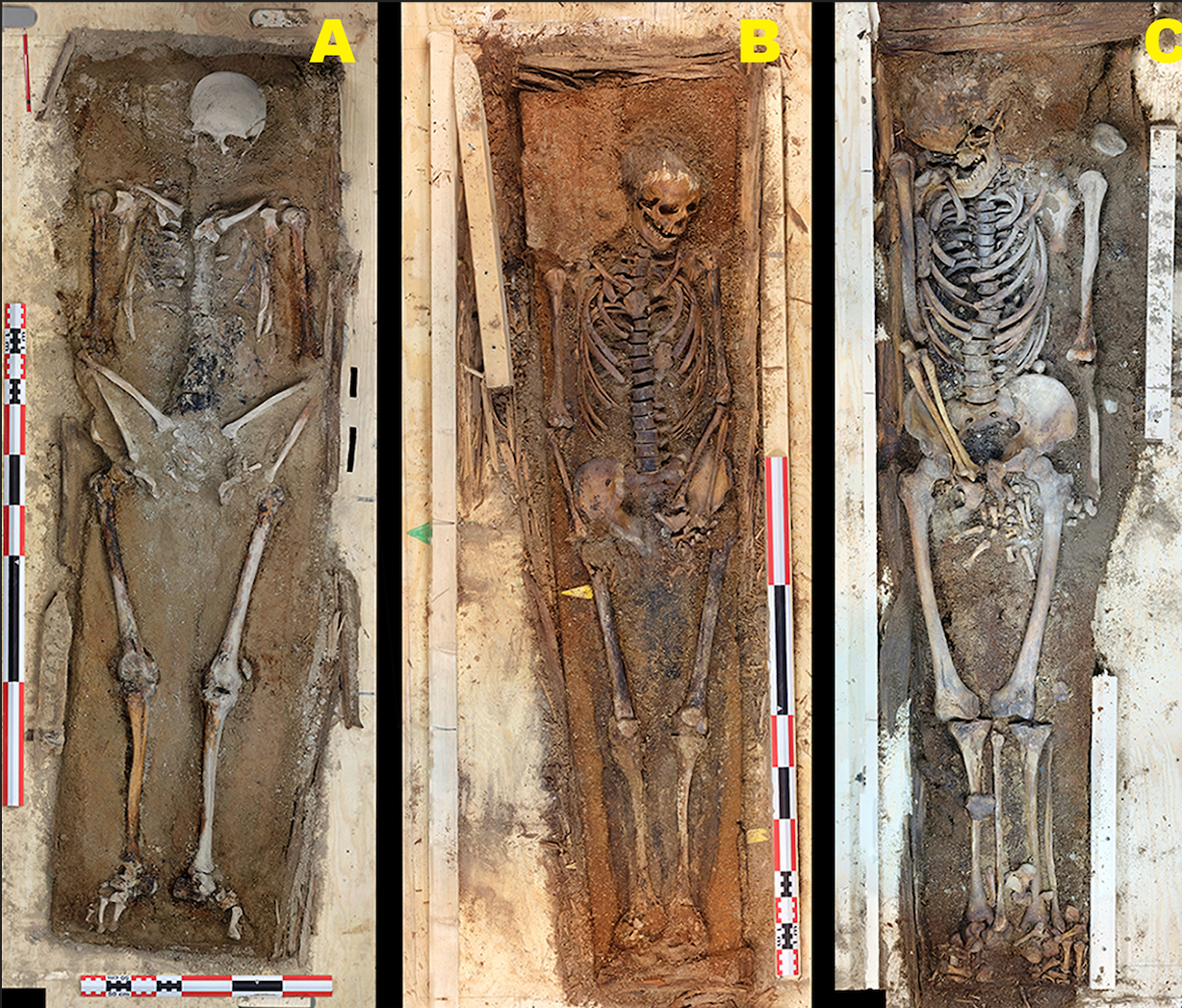
Nowhere is more affected by warming trends than the Arctic. Now, a pair of researchers has examined the remains of European whalers at Likneset on Norway’s Svalbard archipelago, also known as Corpse Point. The team discovered significant degradation of many burials since they were first documented in the 1970s, accelerated by climate change. One grave (Grave 214) is classified as completely destroyed.
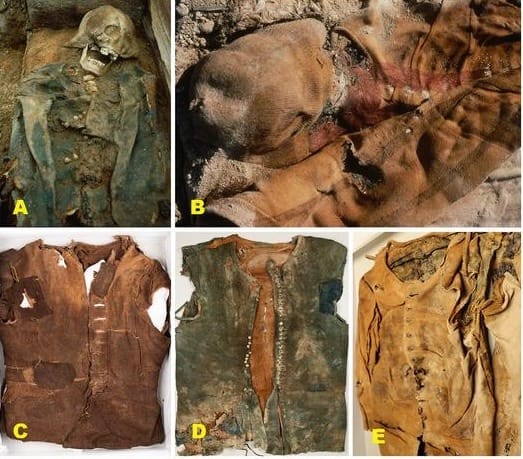
These whalers just can’t get any peace-even in death. Their lives were short and filled with physical hardships. Many individuals endured chronic strain and 18 out of 19 studied sailors suffered from scurvy. Most bones belong to men who died in their 20s or early 30s.
The study concludes that future work should be guided by clearly defined priorities: what information must be documented and analyzed before it is irretrievably lost?
The mystery of Ndalambiri
For at least 45,000 years, humans have gathered at Ndalambiri, a rockshelter in Angola thought to be named for an Umbundu phrase that means, “This is where snakes lost life.” Its interior wall is adorned with an immense fresco of roughly 1,200 figures painted in white, red, and black. The team discovered the earliest evidence of iron production in Angola in the layers.
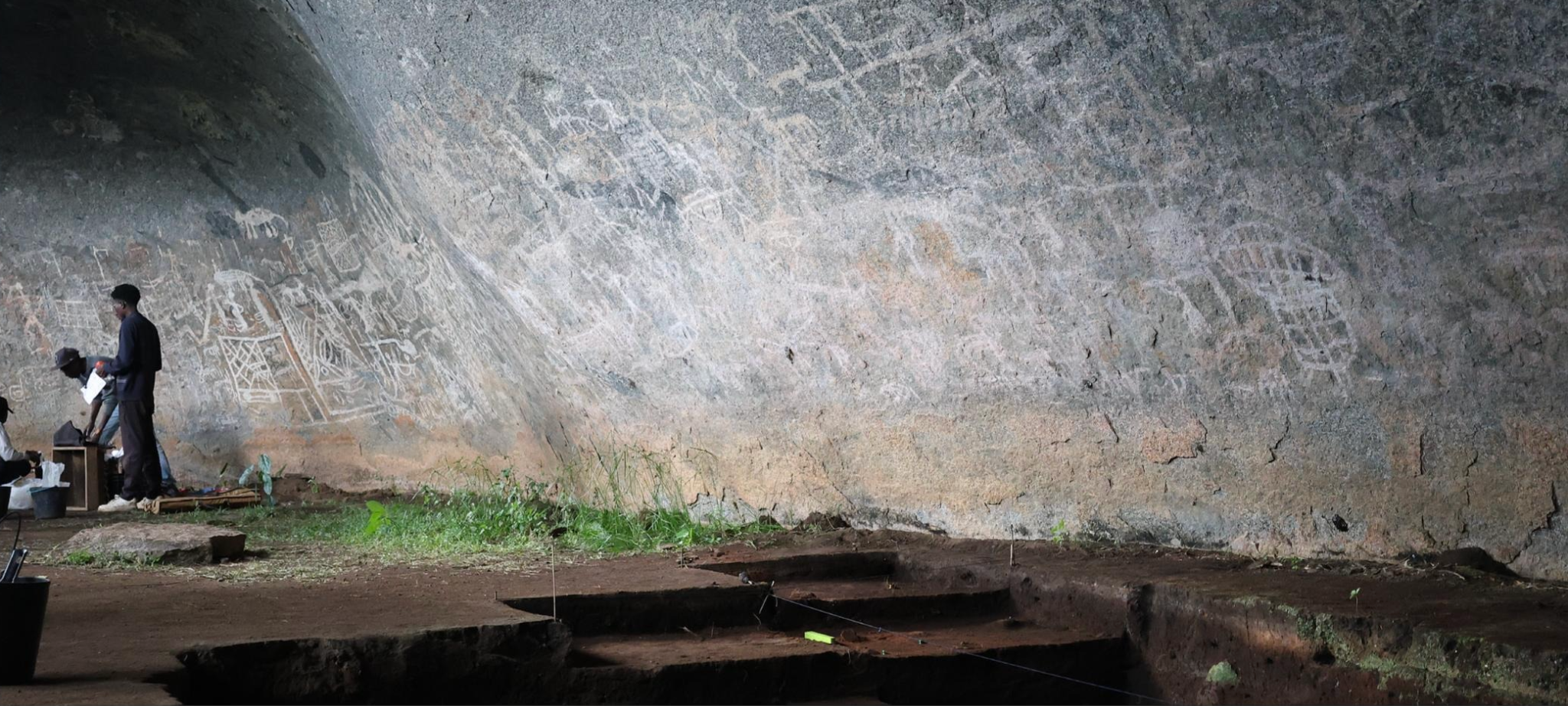
The team discovered thousands of artifacts, such as pottery shards, tools, and botanical and faunal remains. The study notes that the identity of Ndalambiri’s occupants and painters remains uncertain.
Last moon standing
Belyakov, Matthew et al. “Nereid as a regular satellite of Neptune.” Science Advances.
Neptune’s original moons were captured by Triton after the encounter with two Pluto-sized dwarf planets. All but Nereid are reaccreted pieces. Using observations from the James Webb Space Telescope, scientists found that Nereid doesn’t spectrally match the rest of Neptune’s moons.

The study concludes that future exploration should search for signs of an early geologic history on Nereid consistent with formation as a regular satellite.
Cows can tell people apart
To determine whether cows can recognize human faces or match voices to faces, scientists played a series of videos for 32 Prim’Holstein cows. The heart rates of the cows were monitored throughout both experiments.
Key Takeaways
- The bones of long-dead whalers are melting out of their graves in the Arctic due to climate change.
- Nereid, a moon of Neptune, is the sole survivor of an ancient collision and could offer insights into planetary history.
- Cows can visually discriminate between familiar and unfamiliar human faces.
“`