Frontier large language models released in the second half of 2026 produce usable 2D images and 3D models more reliably than their predecessors.
Text-output models now generate visuals defined by code. This allows editors to modify the output without the inconsistencies typical of iterating with text-input, image-output systems.
Poster design with Gemini 4 Neon
Gemini 4 Neon received attention for its 2D design skills. I tested the model in AI Studio using this prompt:
Create an SVG poster promoting the Kakapo recovery project, research details first, make the poster look really cool and give it a 1970s graphic design
Iteration was required. AI Studio does not render SVGs, so the models could not spot visual mistakes without assistance.
Make the kakapo a bit more realistic, especially the face (image search for references)
Then:
[IMAGE]
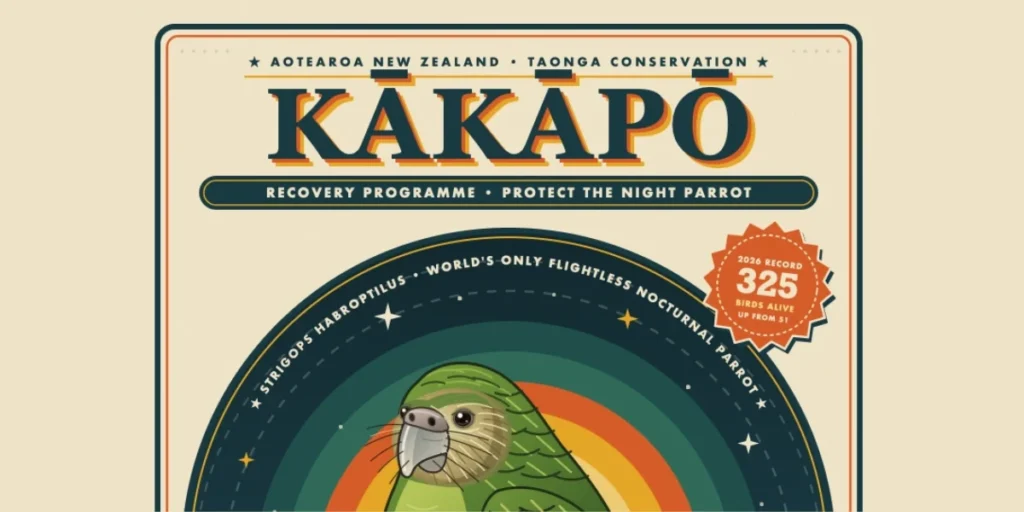
The text here doesn't fit the pill, fix it
And:
[IMAGE 2], [IMAGE 3]
Also these
The full transcript is available here. I exported it as Markdown because I could not share a session without a Google login.
The final result is solid:
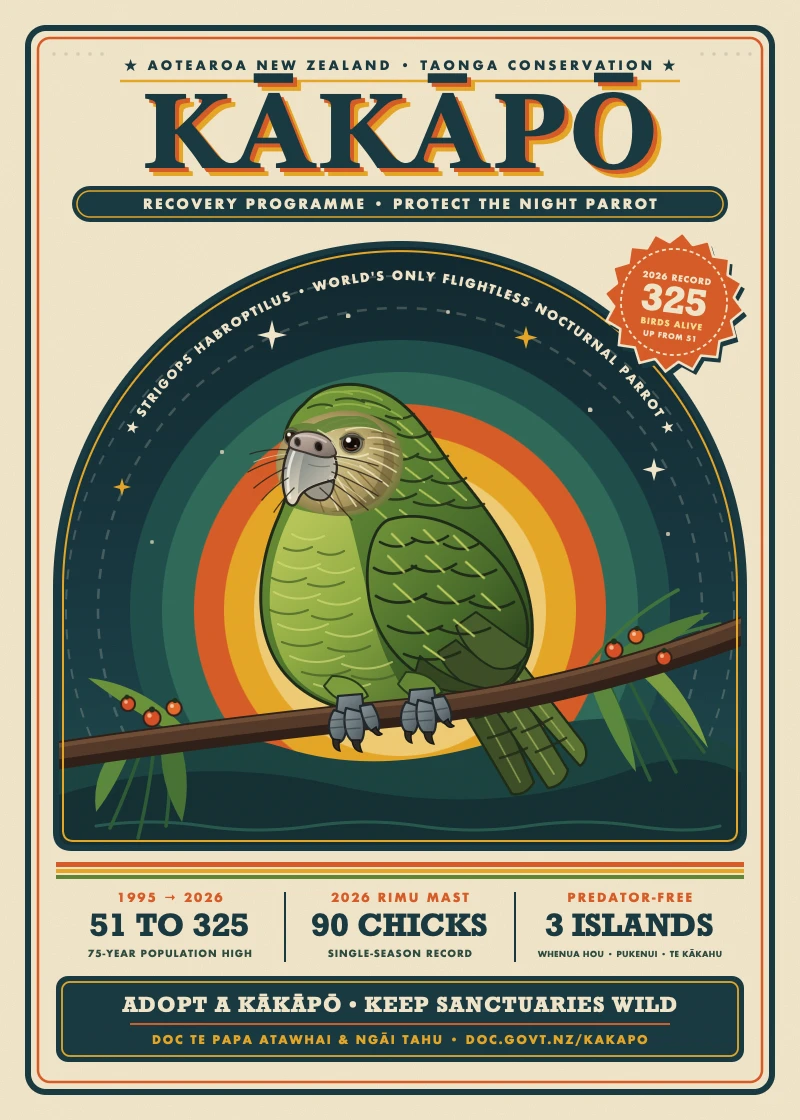
AI Studio ran Google searches to verify the numbers. I checked them and they are correct. The model included red rimu tree fruit on the branch, which is essential for the breeding season.
The key aspect is that everything is editable. You can directly edit the text in the SVG, or open it in Inkscape, Adobe Illustrator, or Boxy SVG to edit it visually.
It’s not just SVG
I have a well documented fondness for SVG generation, but other formats exist.
A model connected to a coding agent environment can execute code to generate images. This allows for generated image files, HTML and CSS, 2D HTML Canvas elements, Blender scripts, WebGPU shaders, PDF, and any image mechanism representable by a file on disk or script output.
Vibe game development has exploded recently. Models like Claude Opus 5.5, GPT-6 Astra, and Gemini 4 Neon create game assets through code. These include 3D models, textures, and sprites.
Building assets with code means tweaking, reusing, and remixing them involves the model writing more code.
In comparison to image models
Most AI image generation tools use models that directly output bitmap graphics. Stable Diffusion, DALL-E, and Midjourney were early leaders. The past 15 months have seen LLM-driven variants like Google’s Nano Banana and OpenAI’s ChatGPT Images emerge.
These models are competent at editing existing images and preserving details. You can iterate on a design over multiple conversation turns without it devolving into a mess.
They still have limitations. They produce weird glitches visible when zooming in on details. They output text shapes directly from the model, meaning you do not get the guaranteed consistency of a real font-based typography system.
They are also inherently flat. You can describe changes in text or draw annotations, but you cannot take control of an individual element or layer and directly manipulate it.
Images created through generated code solve all of those problems.
If you are generating photorealistic images, dedicated image models still have a place. For explanatory diagrams, editable poster designs, UI components, visualizations, and game assets, code-driven images feel like a better bet.
I thought Anthropic was at a disadvantage
After Nano Banana and ChatGPT Images, I thought Anthropic had a serious product gap.
OpenAI and Google had excellent image generation models as part of their product suites. They even had generative video models. Google still does with Veo and now Omni. OpenAI sunset Sora.
The business world still runs on PowerPoint. Selling an enterprise contract seemed to require a great image generation model as an expected feature for many customers.
Claude now churns out visually compelling presentations and website designs. Claude Design provides a full design system platform. All built around code-driven images.
This feels like another variant of the bitter lesson. I was convinced a specialist image model was necessary to serve customers with design problems. The text-output LLMs kept getting more capable until they could handle visual design by writing code.