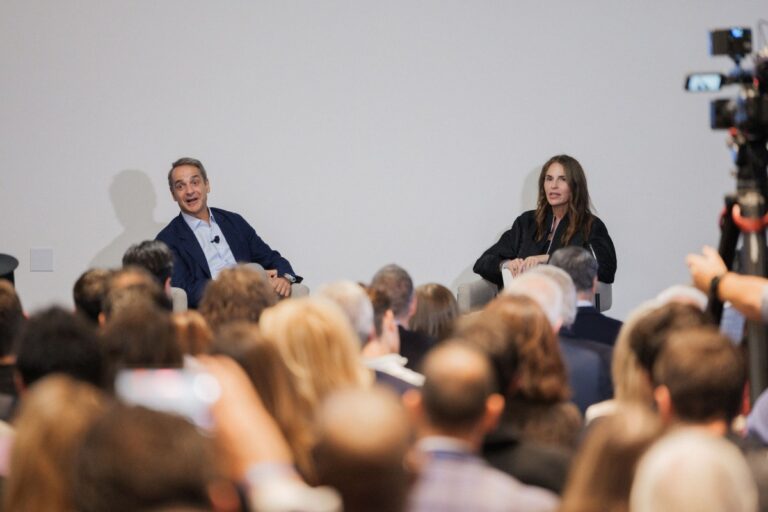
Lila Snyder, chief executive of Bose, says the company is now selling its noise-cancellation and audio processing technology to other manufacturers alongside its own branded headphones and speakers.
The second chapter
The shift marks a distinct change in how the firm operates. Snyder notes this is the second phase of the transformation she has led since joining. While the core mission remains making products, the growth strategy has altered. For 60 years, the company operated as a single brand. Now, it manages multiple marques. Acquisitions include the 75-year-old audiophile label McIntosh and the Italian heritage brand Sonus faber. These moves extended the portfolio into the luxury audio sector.
Equally significant is the addition of a new business unit called Audio Tech. This division takes the research and development created for Bose products and licenses the technology to external partners. The insight driving this move is that sound quality matters across many devices, not just headphones. Many products use audio for voice input or noise control but are not made by Bose. The company believes in bringing high-quality audio to as many places as possible, even if it does not mean making the device itself.
Who buys the tech
This model functions as a B2B2C business. The customers are large companies releasing their own hardware. Examples include Motorola, which has partnered on earbuds and phone audio improvements. Xreal, a maker of extended reality glasses, also uses the technology because sound is critical to the user experience. A recent release involves Sena, a partner providing communications for motorcycle helmets.
Snyder explains that this approach broadens the aperture for invention and research at the parent company. It allows the engineering team to focus on core problems while the technology finds application in diverse verticals ranging from mobile devices to automotive systems.
Branding and fees
There is a distinction between selling the technology and selling the brand. In automotive, the company has licensed its tech for over 40 years. Some partners want the Bose logo, others do not. Snyder states the logo is never sold without the underlying technology, but the reverse is true. A product can carry the tech without the branding.
Both the technology and the brand incur licensing fees. The company has invested six decades in building its reputation, which it considers one of the most iconic in the world. Consequently, the brand is not free to attach to another product. Decisions on whether to display the logo are made carefully on a case-by-case basis with each customer.
Protecting the heritage
McIntosh represents a different challenge. The brand has a specific halo that cannot be diluted by cheaper products. Snyder confirms the two brands are treated as completely separate entities. Sonus faber is the third brand in this luxury grouping. When acquiring these labels, the company spent considerable time determining how to protect their integrity internally. The goal is to avoid Bose-ifying any aspect of the heritage brands. They remain distinct targets for passionate fans.
What it means
For people making things, this means hearing Bose technology in products that do not carry the Bose name. A motorcycle helmet, a pair of glasses, or a smartphone could all deliver the same noise-cancelling performance without the branding. The focus for creators shifts from buying a specific Bose device to ensuring their hardware can access the same audio processing standards.