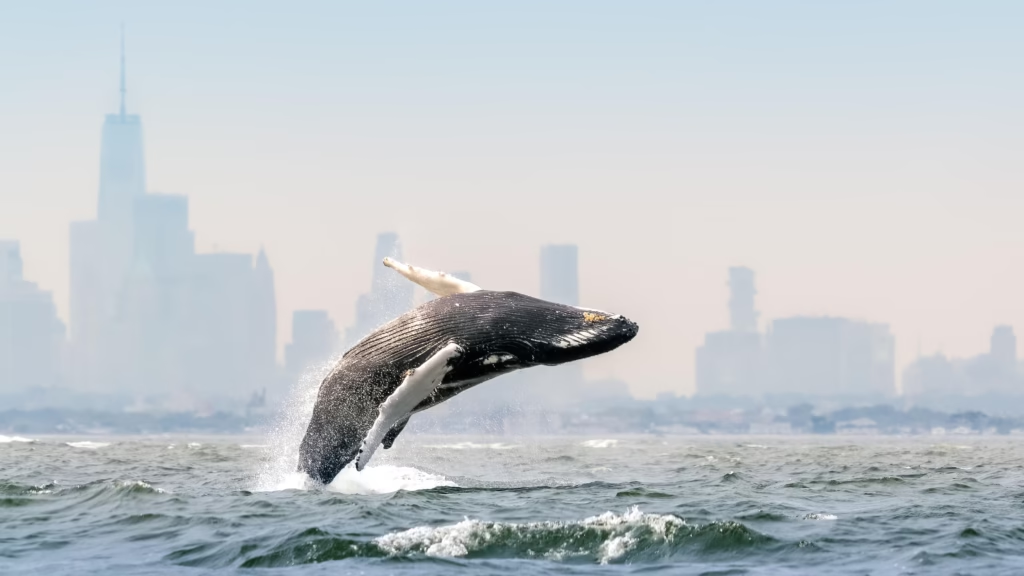
BBC Earth’s Blue Planet III deliberately retains imperfect footage to distinguish the series from AI-generated imagery. While earlier seasons featured crystal-clear shots that appeared almost too perfect, the new series keeps visible plankton and excludes scenes with poor water conditions or background boats. Executive Producer Elizabeth White explained that such flaws would normally be cut in previous productions but are now essential proof of authenticity. The production team acknowledges that overly polished visuals are a primary indicator of synthetic content. By allowing these rough edges to remain, the show maintains a tangible connection to real-world filming challenges.
This approach addresses growing viewer suspicion regarding the quality of nature documentary footage in the current media environment. As artificial intelligence tools become capable of generating flawless natural scenes, broadcasters must find new ways to validate their work. Retaining visual imperfections serves as a direct countermeasure to the slick aesthetic often associated with synthetic media. It also reinforces the trust audiences place in traditional broadcasting standards.