Meta Connect 2026 was dominated by smart glasses
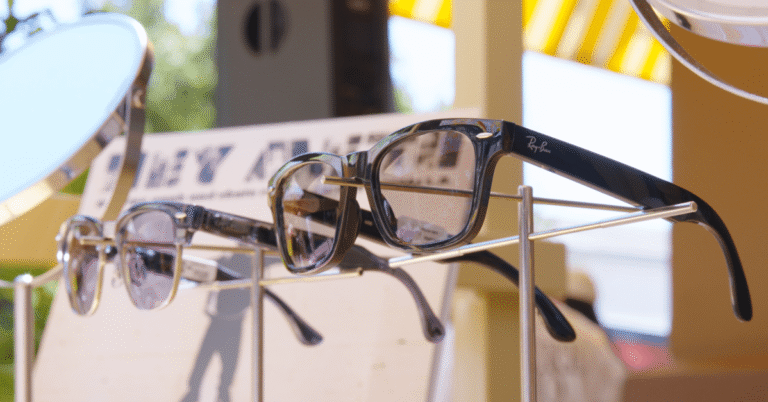
Meta showed off its new line of smart glasses at every possible moment during Connect this year. The annual event usually displays the latest hardware and artificial intelligence tools, but staff members and visiting influencers appeared to wear them constantly. Nearly every demonstration included the eyewear.
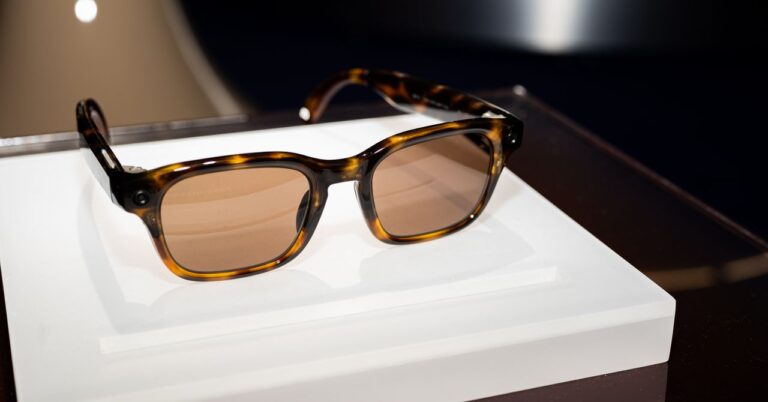
I spent the week trying on multiple pairs of Meta’s high-tech specs. One of the most notable items was a new model of audio-only smart glasses that has not yet launched.
Reports about these glasses appeared shortly after the company faced accusations of selling “pervert glasses.” Critics claimed the previous camera-equipped models could be used for surveillance. The new device addresses these concerns by including six microphones but omitting a camera entirely. There is no native way to record the surroundings.
The unit is lighter than any other smart glasses I have worn and felt quite comfortable. A Meta employee highlighted the entertainment and communication features. Users can listen to music without removing earbuds and take phone calls without touching their phone.
The glasses integrate with Muse, Meta’s personal agentic system. This integration allows users to give verbal commands to the agent. The system is not yet available to the public, but Meta plans to let users select digital avatars to represent the agent during communication.
I tested this feature and found it amusing. The interaction requires direct speech and prevents talking to anyone else simultaneously. I frequently interrupted the Meta staffer I was speaking with, causing the agent to talk over her while she was trying to explain the device.
In the right context, the integration offers clear utility. Users can ask Muse to handle digital tasks like sending emails or reading to-do lists while grocery shopping or drinking a beer. The glasses also answer general questions. I asked about World War II and received a succinct, historically accurate response.
I also tested a second audio-only pair designed for people with hearing loss. This device serves a practical purpose for the estimated 50 million Americans with some level of hearing impairment.
A member of Meta’s research team noted the glasses have been in development for about five years. The pricing differs significantly from standard hearing aids, which can cost up to $1,600. The new glasses will sell for $150.
During the test, I wore earplugs to simulate hearing loss. Once the glasses were on, they amplified the voice of the person I was speaking to. Users can switch between focused amplification, which targets the person in front, and omnidirectional sound pickup.
Mark Zuckerberg has stated he believes smart glasses are the future. The company is clearly working to realise this vision, though the category remains a niche. Meta cast a wide net at Connect, attempting to make the glasses stylish, functional, and useful.
Attendees at Connect seemed confident this is the future. Whether the rest of the world follows suit remains to be seen.
What it means
Meta is trying to solve the privacy and utility problems that have plagued the category. By removing cameras and lowering costs for hearing assistance, the company hopes to move beyond a novelty item. The integration of an agentic system suggests a future where the glasses manage digital tasks without needing a screen.