Nvidia announced it will stop selling H200 chips in China and is shutting down remote access workarounds that allowed data centres in Malaysia and other locations to supply Chinese firms.
Current interim CEO Colette Kress confirmed the move directly, aligning with new restrictions from the Trump administration designed to block such loopholes. Previously, companies set up servers abroad to bypass export controls, but that channel is now closed.
Analysts estimate that 20% of Nvidia’s business relies on sales to China, though this figure is not always visible in direct financial reports. Many chips sold to Malaysia or Southeast Asia ultimately end up in China, meaning these new rules could significantly impact revenue if the company enforces them strictly.
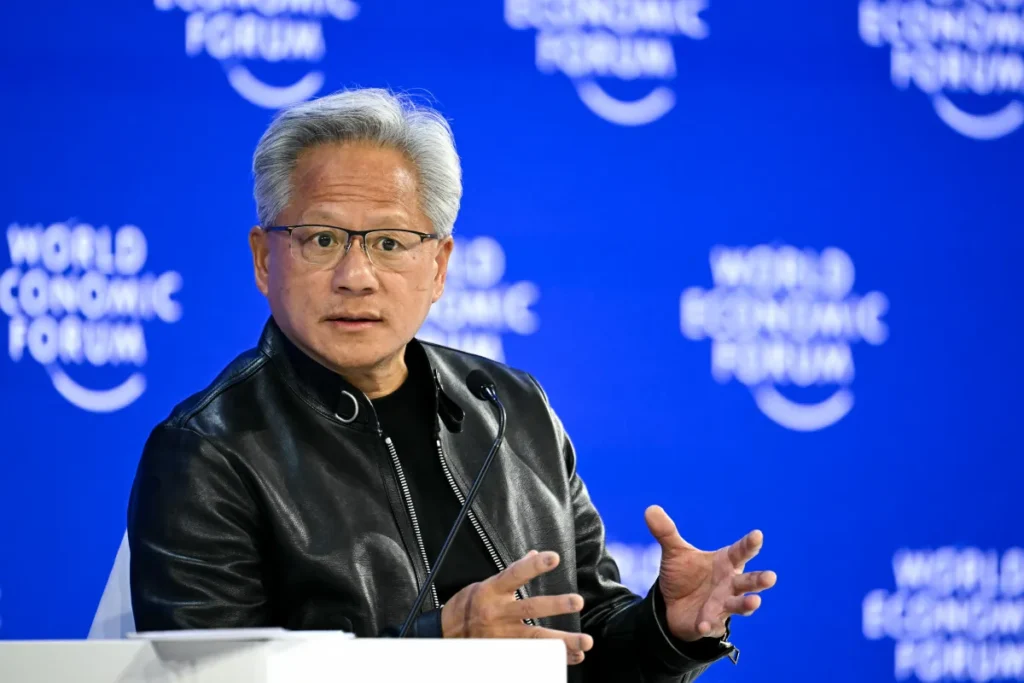
Despite the restrictions, Nvidia reported soaring revenue and strong guidance that beat expectations. The company maintains a long pipeline and stated it has no plans to bring former CEO Jensen Huang back.
However, a petition circulating online has gathered support from figures including Elon Musk, who is pushing for Huang’s return. Jensen Huang himself has stated he is prepared to come back, creating a sharp contrast with the board’s public stance.
On the earnings call, Kress concluded by saying, “Hey, we’ve got this,” signalling confidence in the current leadership. This message arrived while tech executives at events like the Dealbook Summit discussed the possibility of Huang returning.
Critics suggest the current quarter represents the final period of strong performance under Huang. They argue that investors do not yet know how the company will perform without his leadership.
Nvidia’s position has shifted quickly. A week and a half ago, the company said it stood behind Huang and had confidence in his leadership. Now, the stance is that his return is not happening.
Observers believe the board is trying to maintain control and avoid being forced into a decision by external pressure from billionaires like Musk. They also want to avoid appearing deferential to other tech leaders.
This dynamic mirrors concerns seen at OpenAI, where management sought to prevent similar instability. The situation remains fluid, with the board likely weighing the investigation into alleged secret chip sales to China before making any final moves.
What it means
For companies relying on Nvidia hardware, the immediate change is a tighter restriction on using chips in China via third-party servers. This removes a workaround that allowed access to high-end compute power despite export bans.
For investors and the wider market, the disconnect between the board’s dismissal of Huang’s return and the public petition suggests internal tension. The company is prioritising regulatory compliance and board control over the demands of high-profile figures.