SXSW Used AI Trademark Tool to Suppress Critical Posts on Instagram
An AI-driven trademark enforcement tool was deployed to remove social media posts criticising SXSW, the annual technology, music and film festival held in Austin, Texas. The tool, operated by BrandShield, a “digital risk protection” firm, automatically flagged and removed content that mentioned SXSW-even when no trademark infringement occurred.
Nonprofit Protest Post Removed Without Justification
Vocal Texas, a nonprofit addressing homelessness and poverty, had an Instagram post deleted after it criticised SXSW’s impact on unhoused individuals. The post, which included no SXSW logos or branding, read: “SXSW means unhoused Austinites in downtown face encampment sweeps, tickets and arrests while the City makes room for billionaires and corporations to rake in profits.” Despite this being a clear case of protected speech, BrandShield’s system triggered its removal.
Cara Gagliano, a senior staff attorney specialising in trademark law at the Electronic Frontier Foundation (EFF), confirmed that such usage falls under legal exceptions. “Trademark law permits the use of a company’s name to discuss or criticise that company,” she stated. “This is not infringement-it’s free expression.”
Broader Censorship of Anti-SXSW Activism
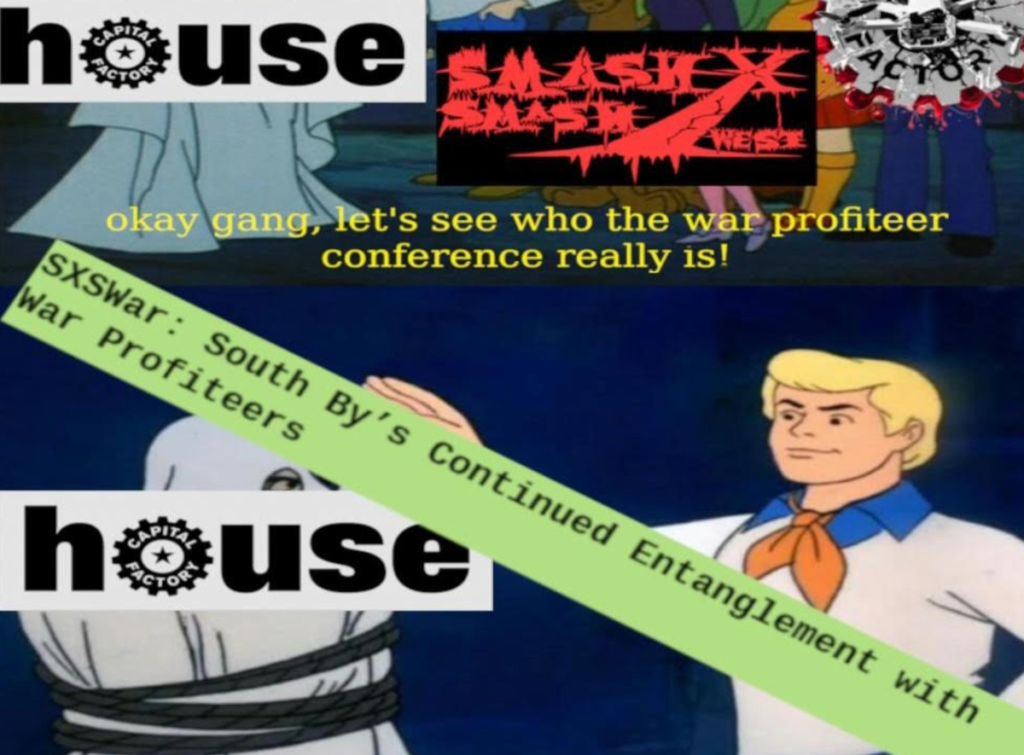
The issue extended beyond Vocal Texas. Smash By Smash West, a decentralised coalition of artists, musicians and activists, reported dozens of Instagram takedowns targeting posts related to their alternative events. Many of these posts used parody or reworked versions of SXSW’s logo-a practice protected under trademark law as commentary.
In 2024, the EFF successfully intervened when SXSW sent a cease-and-desist letter to Austin for Palestine, a group that had modified SXSW’s logo to protest the festival’s military sponsorships. However, unlike copyright disputes, trademark law lacks a formal counter-notice process, leaving removed content with no guaranteed path to reinstatement.
Automated Enforcement Lacks Nuance
BrandShield’s system relies on AI-powered image recognition to scan social media for potential trademark violations, submitting mass reports to platforms like Instagram. Despite claims of legal oversight, the tool appears unable to distinguish between genuine infringement and lawful criticism. Instagram’s moderation, also automated, often upholds these removals without human review.
Mathew Zuniga of Tiny Sounds Collective, a DIY music organisation, found that reposting identical content-without tagging Smash By Smash West-avoided detection. “It’s not about trademark protection,” he said. “It’s about silencing opposition.”
SXSW acknowledged the issue in a statement, admitting that errors occur in automated enforcement but maintaining that their actions are legally required. Meanwhile, organisers like Burnice, a Smash By Smash West participant, described the process as “robots talking to robots,” with no meaningful human oversight.
“All of that is actually just happening by robots talking to robots. It’s an AI system that mass reports these accounts, and then probably an AI system at Instagram that just sorts through and approves or rejects.”
– Burnice, Smash By Smash West organiser
Legal and Ethical Concerns
Gagliano highlighted a key flaw in trademark enforcement: unlike copyright, there is no mandatory process to challenge wrongful takedowns. While Instagram offers an appeal option, decisions remain at the platform’s discretion, often favouring the complainant.
BrandShield did not respond to requests for comment, despite initial engagement with their PR team. The EFF and affected groups argue that such tools disproportionately target marginalised voices, using legal mechanisms to stifle dissent under the guise of intellectual property protection.
Key Takeaways
- AI-driven trademark enforcement removed critical SXSW-related posts on Instagram, including those from nonprofits and activists, without legitimate infringement.
- Trademark law permits criticism, but automated systems like BrandShield’s fail to recognise protected speech, leading to unjustified censorship.
- No formal appeal process exists for trademark takedowns, unlike copyright disputes, leaving removed content with little recourse.
- SXSW acknowledged errors in automated enforcement but defended its use of third-party tools like BrandShield.
- Activists describe the system as opaque and unaccountable, with AI-driven reports and moderation operating without meaningful human review.
“`