Elon Musk Testifies on OpenAI’s Shift from Nonprofit to For-Profit
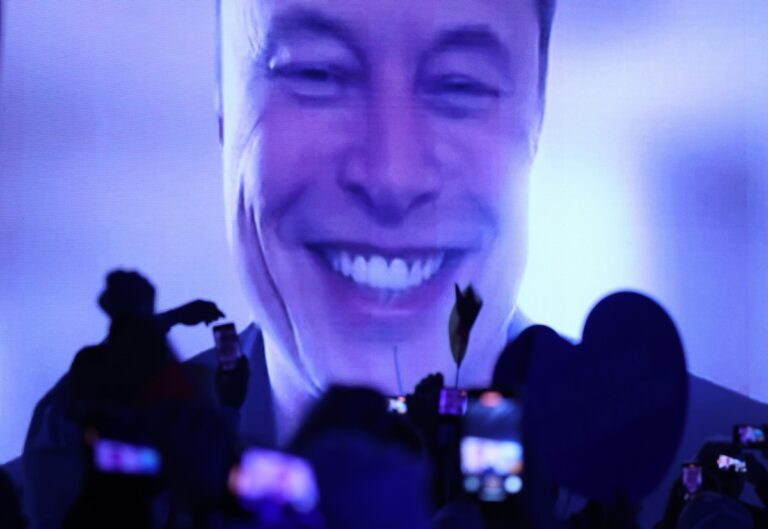
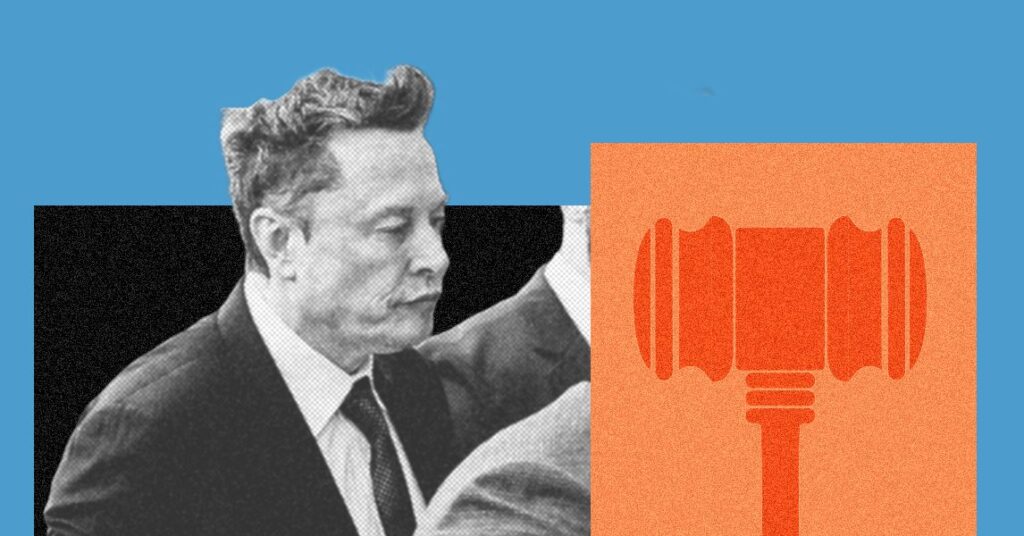
Elon Musk and Sam Altman faced each other in a US federal court this week as part of Musk’s lawsuit against OpenAI, which centres on the company’s transition from a nonprofit to a for-profit entity. The case could result in financial penalties and potential governance changes, complicating OpenAI’s reported plans for an initial public offering this year.
Musk’s Case: A Mission to Prevent AI Risks
Musk testified that his involvement in OpenAI stemmed from long-standing concerns about artificial intelligence surpassing human control. He claimed that government inaction on AI regulation prompted him to co-found OpenAI with Altman in 2015 as a nonprofit counterbalance to Google’s AI development. According to Musk, Google co-founder Larry Page’s dismissal of his safety concerns reinforced the need for an open-source alternative.
While acknowledging AI’s potential benefits, Musk warned of existential risks, comparing unfavourable outcomes to dystopian scenarios like Terminator. He stated that OpenAI was initially intended to prioritise safety and transparency, though his own AI venture, xAI, has faced criticism for allegedly lax safety protocols.
Musk’s legal team argued that OpenAI’s shift to a for-profit model, particularly after Microsoft’s $10 billion investment in 2023, betrayed its original mission. They likened the restructuring to a nonprofit museum selling its core assets to a commercial entity, undermining its charitable purpose.
OpenAI’s Defence: Musk’s Claims Lack Merit
OpenAI’s legal representatives countered that Musk was fully aware of the company’s for-profit ambitions as early as 2018. They highlighted his public comments about Microsoft’s involvement in 2020, suggesting his lawsuit-filed only after launching xAI in 2023-was strategically timed to undermine a competitor.
The defence also accused Musk of failing to fulfil his own financial commitments, having pledged up to $1 billion but contributing just $38 million over five years. Additionally, they claimed Musk sought to exert control over OpenAI, proposing either personal oversight or integration with Tesla-requests the company rejected.
OpenAI’s attorney argued that Musk’s legal challenge was filed beyond the statute of limitations, rendering it invalid. The judge urged both parties to refrain from inflammatory social media activity during the trial, following complaints about Musk’s recent posts targeting Altman.
Courtroom Dynamics and Next Steps
The proceedings saw Musk and Altman in close proximity, with Altman leaving before Musk’s testimony. Technical difficulties with microphones briefly lightened the tense atmosphere, drawing humour from the judge.
Musk is scheduled to continue his testimony on Wednesday, where OpenAI’s legal team will cross-examine him. The trial’s outcome may influence OpenAI’s governance and future public offering plans.
Key Takeaways
- Musk co-founded OpenAI as a nonprofit to counter perceived risks from Google’s AI development and ensure safety-focused research.
- The lawsuit hinges on OpenAI’s transition to a for-profit model, which Musk argues contradicts its original charitable mission.
- OpenAI’s defence claims Musk was aware of the shift early on and that his legal action coincides with the launch of his competing AI firm, xAI.
- The case could impact OpenAI’s governance and potential IPO, with the judge advising both sides to avoid escalating tensions on social media.
- Musk’s testimony continues, with cross-examination expected to scrutinise his financial contributions and control demands.
“`