




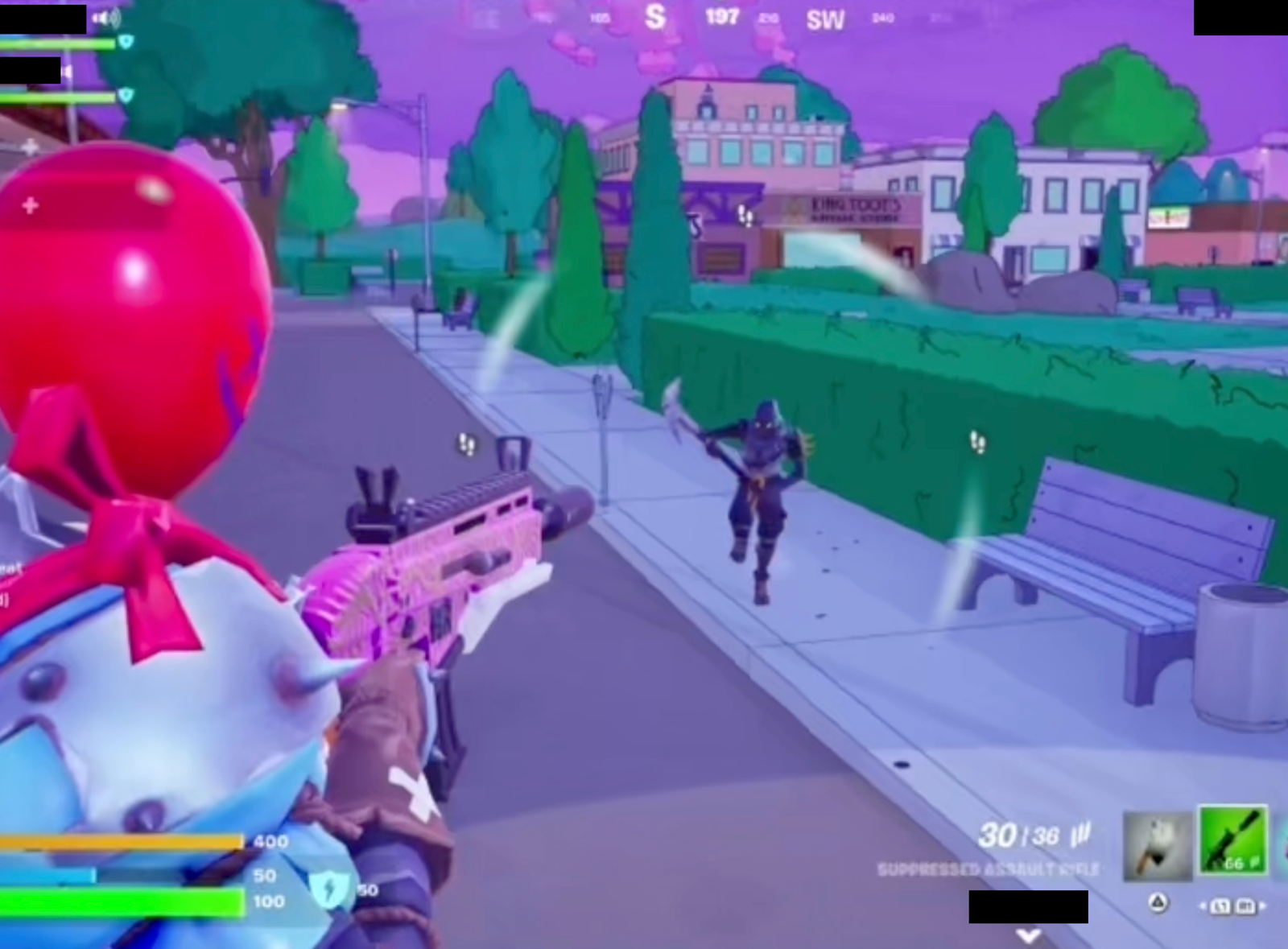
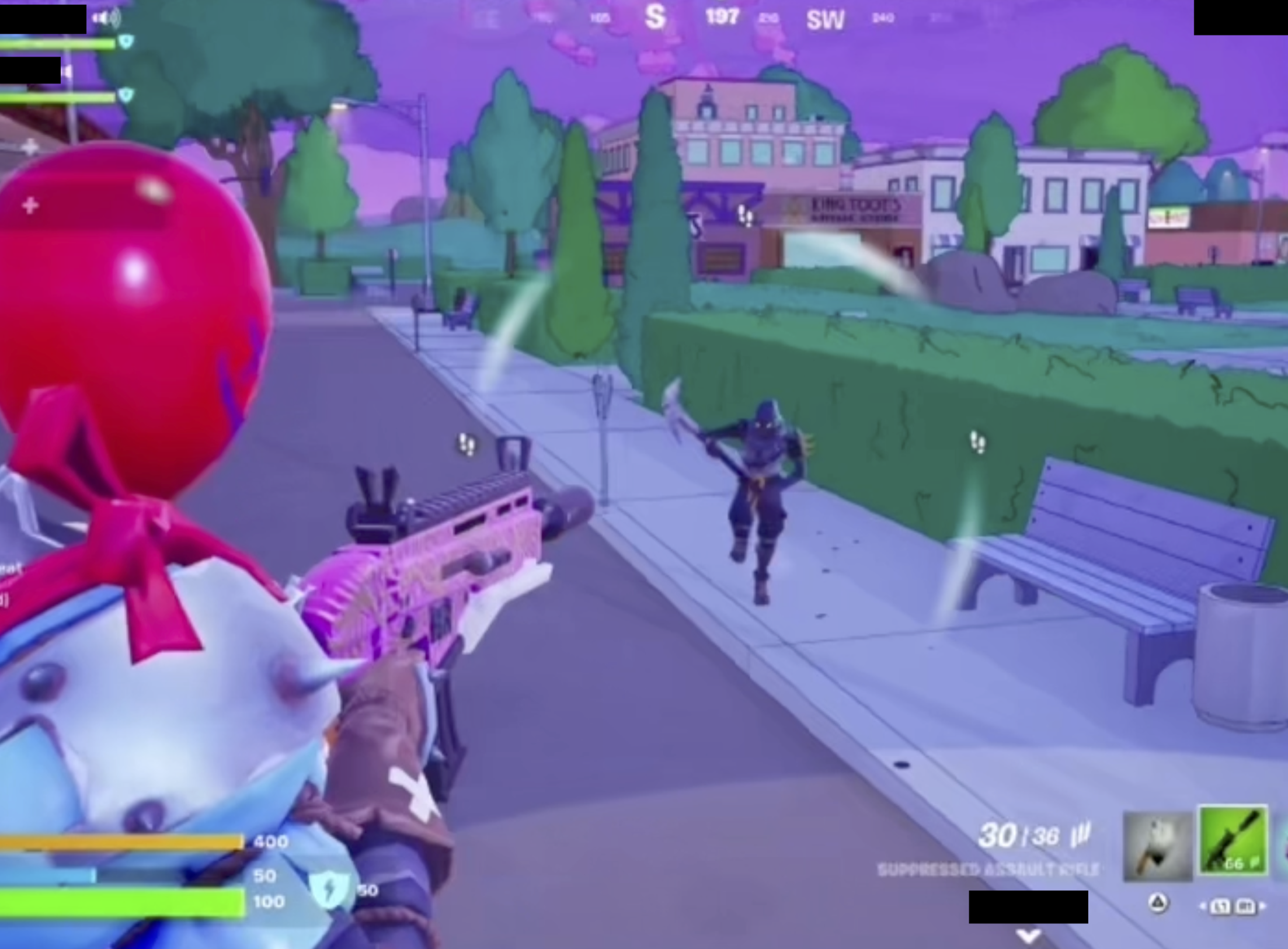
In the deserted town square of the city of Springfield, three people huddle in an empty courthouse. Two of these people are civilians; one is a “vulnerable,” someone being pursued and targeted by government agents. They talk in hushed tones to one another, playing music to keep fear at bay. Above the door of the courthouse, a plaque reads, “Liberty and Justice for Most.”
At the bottom of the courthouse stairs, two government agents step out of a purple golf cart. They approach the door. They’re carrying guns.
“Hey, is anyone inside?” one of them says. “Any vulnerables in here? We have a warrant. We have a warrant for any vulnerables in the area.”
One civilian opens the door, sees the agents, and immediately slams it shut. After more warrant calls, the civilian says, “Slip it under the door.”
“I would slip it under the door, but there’s no space under the door,” the agent says, stuttering.
The civilian pauses. “Well. Sounds like a personal problem.”